Evolution of spatial recognition with HoloLens. Towards technological innovation beyond VR.

2 MIN READ
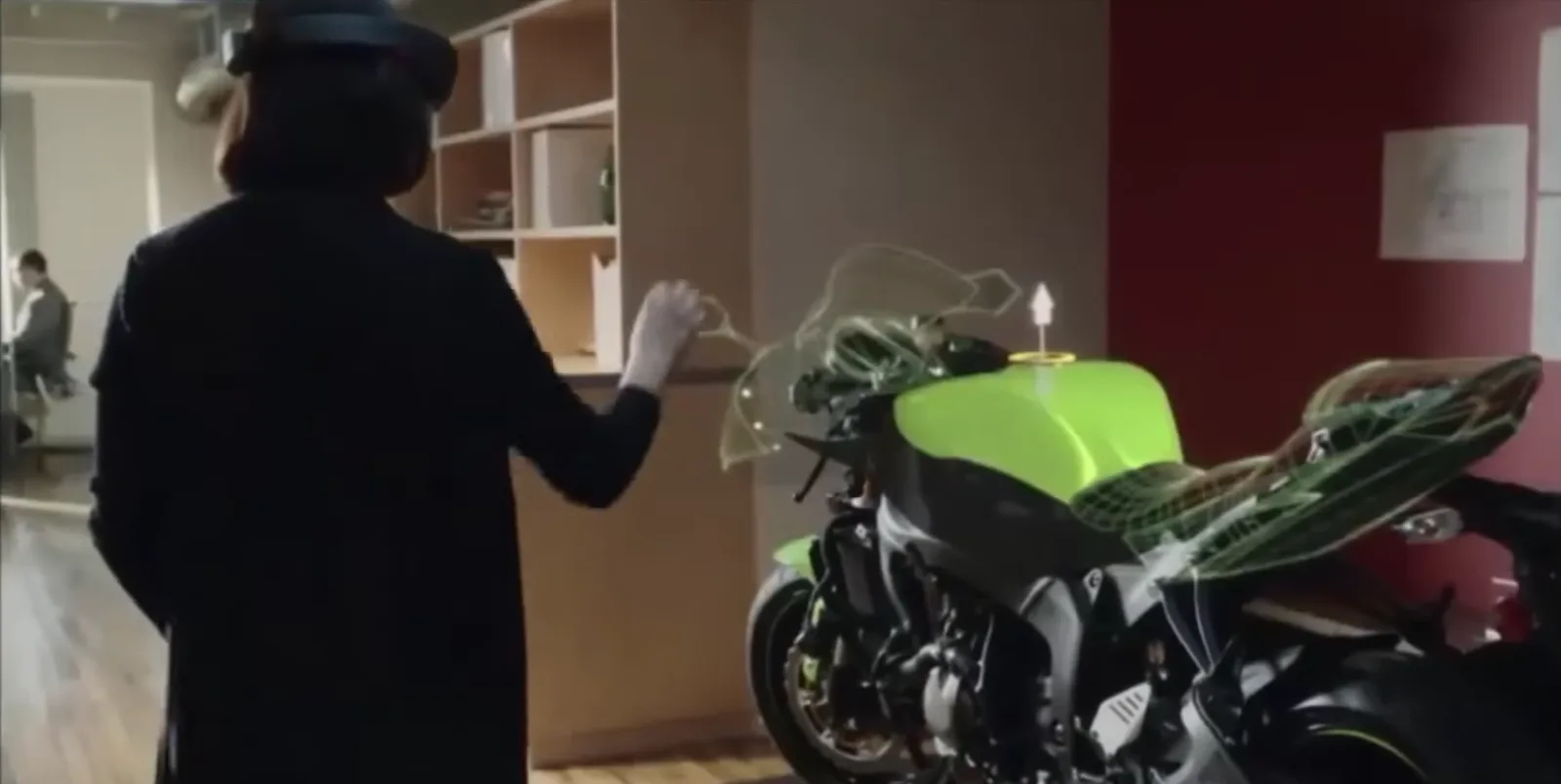
Are you familiar with HoloLens, the VR developed by Microsoft? HoloLens extends reality by overlaying the real world and the virtual world through goggles.
As an example of future applications, by displaying a virtual keyboard and display in front of you, you will be able to perform the same tasks as a laptop, even without a physical laptop.
However, the examples just given are merely a few, and their possibilities are expanding infinitely. Applications are expected in all kinds of industries such as medical, business, finance, IT, and entertainment, and it is attracting attention as a successor to next-generation PCs and Macs.
In particular, Microsoft's HoloLens stands out and demonstrates its presence. The technology that overlays real and virtual worlds is also called MR (Mixed Reality), going beyond VR, and it is undoubtedly at the forefront of that field.
Supporting this technology is IMU (Inertial Measurement Unit). If you look it up, you'll likely encounter various complex explanations, but simply put, it's a technology that detects movement and tilt. It's a technology primarily used in ships navigating the sea, spacecraft, drones, missiles, etc., allowing them to clearly know 'where they are'.
When clearly grasping 'movement' and 'tilt,' as in VR and MR, technologies like IMU become necessary. However, currently, if IMUs are installed in smartphones or similar devices, they consume a lot of battery, making their implementation still inefficient.
However, in the future, as VR technology becomes widespread, that wave will also reach smartphones. For example, devices like Gear VR are VR devices that use a smartphone set into goggles. As VR for small devices becomes popular, IMUs will become more affordable and miniaturized.
It can be said that the demand arising from the development of VR and MR technologies will spread to numerous industries and suggests the possibility of various technological innovations. Already, its scope is extending beyond general business use and games, reaching into even more unusual applications.
WRITTEN BY
上山 翔太
2007年からWEBデザイナー / エンジニアとして活動を開始。2015年には、セブ島にて立ち上げた日本人対象のクリエイター育成スクールと運営していたメディアを売却。その後、アメリカで事業デザインを無理やり学ぶ。帰国後は起業家育成プログラムを立ち上げ、新規事業開発、起業家育成に従事するほか、マーケティング戦略策定、ウェブ開発技術を提供。「IT留学シェアハウス」や「起業教育・支援プラットフォーム」を開発、運営。その後、株式会社QUONを立ち上げ。WEB制作事業を軸として、クリエイターと起業家を産む村づくりプロジェクトなどをバリ島と日本を中心に推進。


